
Coordinating multilingual syndication and planning across 40 markets
Challenge
Regional autonomy without fragmented publishing
Capgemini’s global web programme served audiences across languages, cultures and markets. Content creators, editors, recruiters and developers depended on the platform for different parts of the organisation’s digital work. The business needed a common publishing system that could give regional teams autonomy without losing visibility across the wider programme.
The earlier platform had become difficult to use and extend, creating production delays and administrative bottlenecks. Instability and a challenging interface frustrated contributors, while some teams sought separate solutions outside the group platform. The replacement needed to distribute publishing, improve communication around production and let developers focus on more demanding engineering work. It also had to support a consistent audience experience while content moved across languages, cultures and regional priorities.
Solution
Syndication and shared planning across 40 markets
The WordPress implementation combined multilingual publishing, custom syndication tools and a shared editorial calendar. Seventy people managed content across 40 markets through the WordPress platform, moving publishing beyond a small central webmaster group.
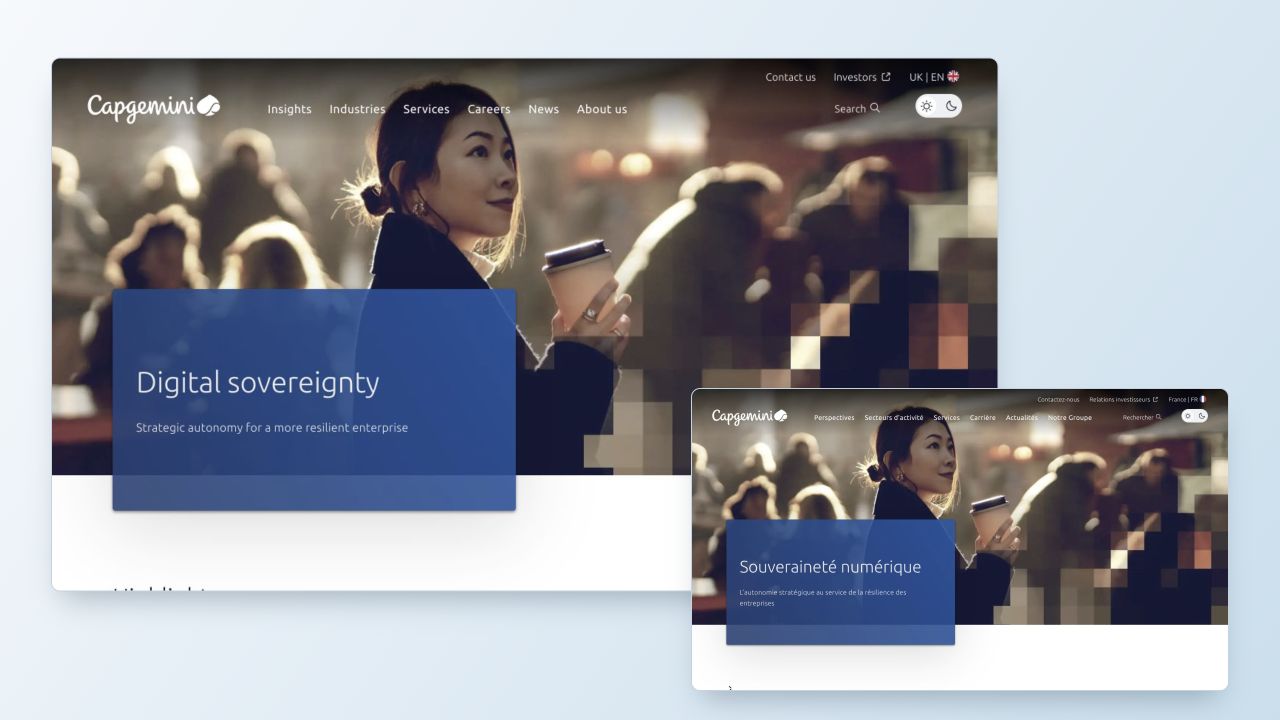
Local editors could choose how to use global content and share their own material with other markets. Geographic and multilingual support helped those teams adapt centrally available material for the audiences they served. Bringing this work into one publishing environment reduced the incentive for regional teams to create disconnected alternatives when the central system fell short. The current UK edition provides a public example of a distinct regional experience. A separate French edition publishes for audiences in French.
The calendar replaced fragmented email updates with a common, current view of what each team was publishing. That gave contributors more control over regional output while making activity across the organisation easier to coordinate. With routine publishing distributed, the development team could direct more attention to complex platform engineering. The platform covered 38 sites and more than ten languages, with over 20,000 published pages.
Key stats
20,000+
Published pages
10+
Publishing languages
38
Sites on the publishing platform